
Epoxy Adhesives Have Earned Their Reputation As The Backbone of Heavy-Duty Bonding
When strength, durability, and precision matter most, epoxy structural adhesives stand out as the industry’s gold standard. From aerospace and automotive to marine and construction, epoxy adhesives have earned their reputation as the backbone of heavy-duty bonding — the invisible force that keeps high-performance structures intact.
Spider Adhesive
6/10/20243 min read


Introduction
When strength, durability, and precision matter most, epoxy structural adhesives stand out as the industry’s gold standard.
From aerospace and automotive to marine and construction, epoxy adhesives have earned their reputation as the backbone of heavy-duty bonding — the invisible force that keeps high-performance structures intact.
At Spider Adhesive, we have spent decades perfecting epoxy formulations that balance strength, flexibility, and long-term reliability.
In this article, we’ll explore what makes epoxy adhesives unique, where they’re used, and how to select the right type for your projects.
1. What Is an Epoxy Structural Adhesive?
Epoxy adhesives are two-component systems consisting of:
Part A: Epoxy resin
Part B: Hardener (curing agent)
When mixed in the proper ratio, a chemical reaction occurs, transforming the liquid mixture into a hard, durable solid.
The resulting bond can resist extreme stress, heat, chemicals, and environmental exposure, making epoxy adhesives ideal for structural applications.
In short:
If your project requires a bond that’s as strong as the material itself, epoxy is your best choice.
2. Why Epoxy Adhesives Are So Strong
Epoxies don’t just “stick” to a surface — they chemically anchor into it.
During curing, they form strong covalent bonds at a molecular level, penetrating microscopic surface irregularities.
This results in:
Exceptional mechanical strength (up to 30–40 MPa shear strength)
Excellent chemical resistance
Outstanding adhesion to metal, composite, and concrete
Minimal shrinkage during cure
That’s why epoxy adhesives are widely used in structural bonding, lamination, encapsulation, and repair.
3. Common Applications of Epoxy Adhesives
Epoxy adhesives are found in almost every engineering sector. Here are some examples of how they’re used:
🏗️Construction
Bonding concrete, granite, and stone panels
Reinforcing rebar and anchor bolts
Sealing cracks and joints in structural elements
🚗Automotive
Bonding metal body panels and composite bumpers
Reinforcing chassis components
Replacing welding in lightweight designs
🛳️Marine & Transportation
Laminating fiberglass hulls
Assembling decks, cabins, and interior panels
Providing water- and chemical-resistant sealing
⚙️Electronics & Machinery
Encapsulation of electrical components
Heat sink attachment
Bonding motors and mechanical housings
Epoxy adhesives shine wherever precision and endurance are required.
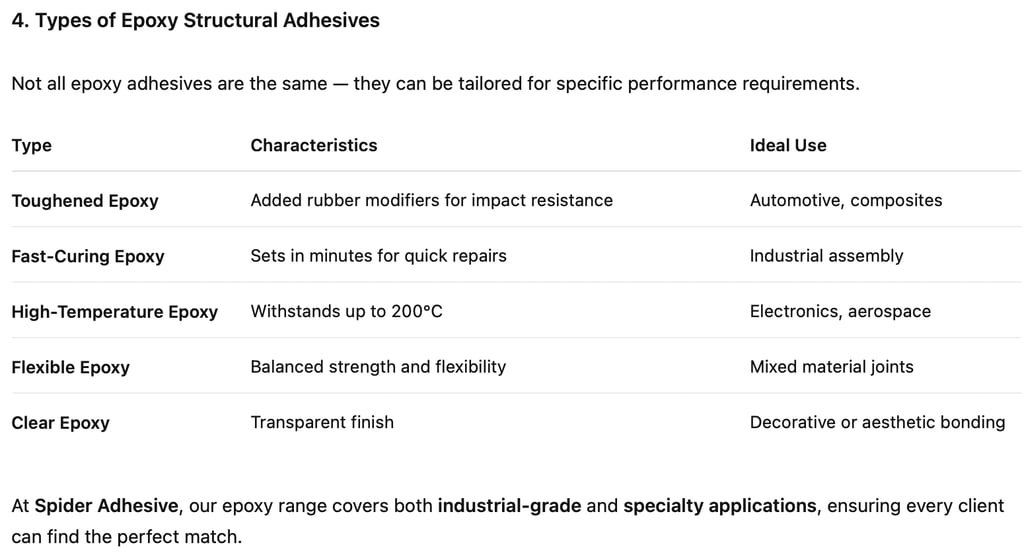
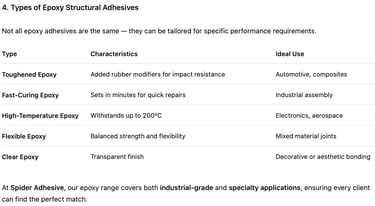
6. Best Practices for Epoxy Adhesive Application
To get the best bonding results, pay attention to the details:
Surface Preparation
Clean the bonding area with acetone or alcohol
Remove oil, rust, and dust
Lightly abrade glossy surfaces
Accurate Mixing
Follow the correct ratio (use dual-cartridge systems if available)
Mix thoroughly for uniform color and consistency
Proper Application
Apply an even layer using a spatula or static mixer
Avoid air entrapment (bubbles weaken the bond)
Curing Conditions
Maintain stable temperature and humidity
Avoid moving parts before the adhesive reaches handling strength
💡 Tip: Overheating during cure can reduce toughness — slow, even curing usually results in stronger bonds.
7. Market Insight: The Global Epoxy Adhesive Landscape
The global epoxy adhesive market is expanding rapidly, projected to surpass USD 12 billion by 2030.
The driving forces include:
Growth in automotive lightweight materials
Demand for eco-friendly, solvent-free adhesives
Increasing adoption in civil infrastructure and renewable energy
In particular, Asia and the Middle East are seeing strong growth in construction bonding applications, while North America and Europe lead in aerospace and electric vehicle usage.
For B2B buyers, this trend means one thing:
Investing in a trusted epoxy supplier today builds stronger partnerships — and stronger products — tomorrow.
8. Why Choose Spider Epoxy Structural Adhesive
At Spider Adhesive, we’ve engineered epoxy systems that combine:
High tensile and shear strength
Excellent resistance to temperature and chemicals
Long open time for precise assembly
Consistent performance in demanding environments
Our products are trusted across industries:
🏗 Construction & Architecture
🚗 Automotive & Machinery
🛳 Marine & Composite Manufacturing
⚡ Electronics & Industrial Assembly
Plus, we provide OEM/ODM services, custom packaging, and private labeling — empowering partners worldwide to build their own adhesive brands with confidence.
Conclusion
Epoxy structural adhesives are more than just glue — they’re engineering materials designed to perform under the toughest conditions.
Their strength, stability, and versatility make them indispensable across industries, from skyscrapers to supercars.
At Spider Adhesive, our mission is simple: to help you bond better and build stronger.
With over two decades of adhesive expertise, we’re here to provide reliable solutions, technical support, and quality you can trust — wherever your business grows.
Spider Adhesive — Strength You Can Rely On.
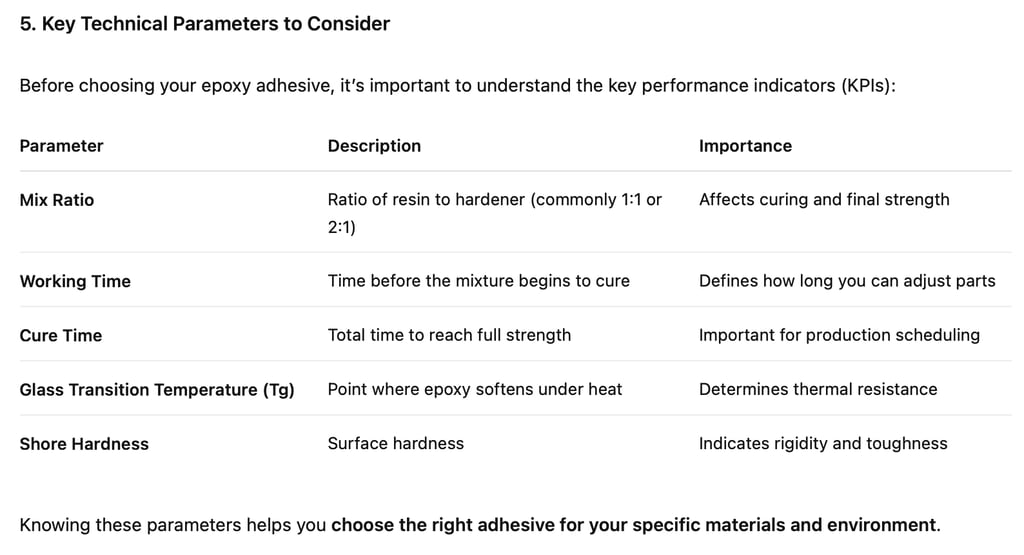
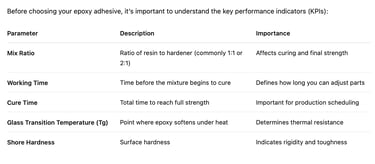
© 2025 All Rights Reserved, SpiderAdhesive.com


We are a professional adhesive manufacturer and supplier committed to providing advanced bonding solutions for solid surface, quartz, composites, metals, plastics, and other materials.
Contacts:
+86 13686659250
jackspideradhesive@gmail.com
Foshan,China